Define your exterior painting scope
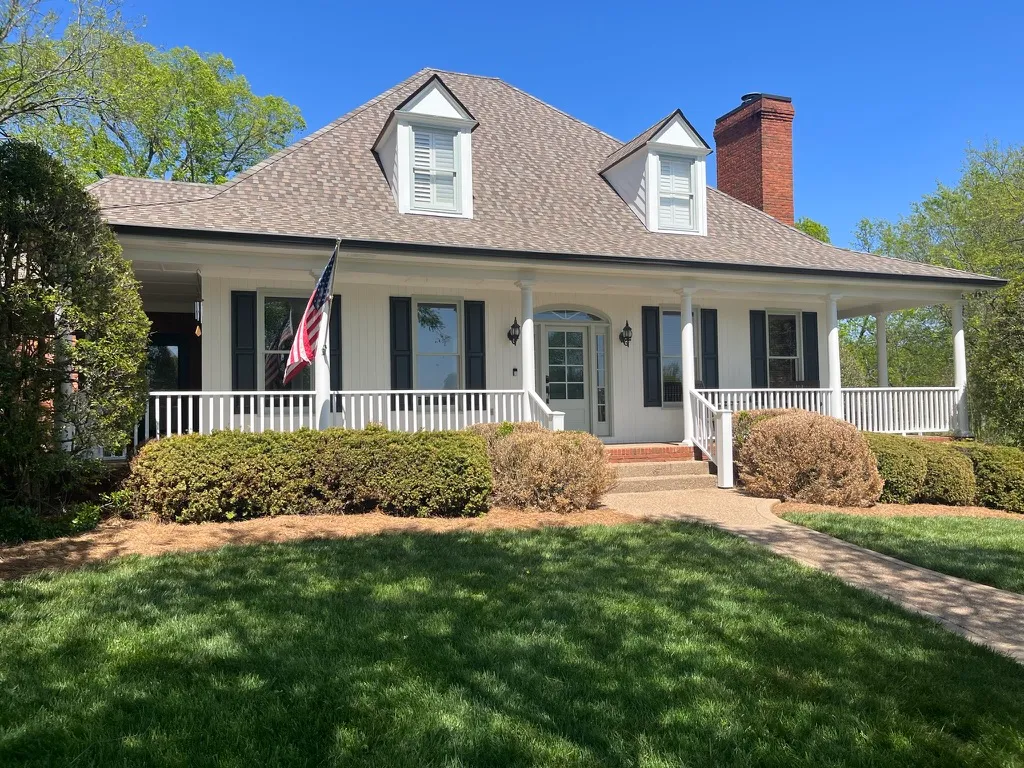
Walk around every side of your home and list the surfaces you want painted. Siding, fascia, soffits, shutters, porch columns, railings, garage doors, and entry doors can each require different preparation or coatings. Confirm which components are included and which will stay as they are.
Point out peeling areas, exposed wood, open joints, and any recurring staining. These conditions deserve individual attention in the proposal. A painter should explain whether a problem is cosmetic, needs carpentry, or requires a separate repair before coating.
For homes with brick or masonry, discuss the existing condition and the intended finish separately from trim or siding. Painting, staining, and specialty masonry finishes are different choices. Ask how the proposed product fits the surface and how it will be maintained.
What good exterior preparation includes
Preparation starts with an assessment rather than a standard list of steps applied everywhere. Dirt, mildew, loose paint, chalking, and failed sealant can interfere with a new coating. Cleaning methods should fit the material and condition; aggressive washing can damage softer surfaces or push water into openings.
Loose paint needs to be removed and edges addressed before painting. Bare areas may need a suitable primer. Gaps at appropriate joints may need new sealant, while drainage openings must remain functional. Ask the painter to identify where each step is necessary.
Wood rot and persistent moisture are repair issues. Coating over them will not solve the underlying problem. Clarify who handles repairs, how they are priced, and whether replacement materials will be prepared before finish coats. Once washing or repairs are complete, surfaces need adequate drying time.
Plan around Franklin weather and exposure
Exterior work needs a suitable application window. Air temperature, surface temperature, humidity, recent rain, and overnight conditions all matter. Ask your contractor how they decide whether a surface is ready and how the selected product’s instructions guide the schedule.
A sunny elevation can behave differently from a shaded wall. Inspect both during your estimate. Fading, algae growth, and peeling may reveal different maintenance needs, even on the same house. Ask for a plan that addresses those conditions instead of treating every wall identically.
Keep a flexible start window and ask how weather interruptions will be communicated. A delayed application can be the right decision when it protects coating performance. Avoid scheduling landscaping work or other exterior trades in the same areas without coordinating access.
Choose a coating system for the surface
Ask for the exact paint or coating line, the planned primer, and the sheen for each substrate. The best choice depends on the existing finish, exposure, desired appearance, and product compatibility. A premium label does not replace a clear explanation of why the product fits your home.
Large color changes can require extra coverage work. Dark colors may also make surface imperfections more noticeable and absorb more heat. Discuss product suitability before choosing a deep shade for siding or doors, and sample colors beside fixed materials such as brick, stone, and roofing.
Application may involve brushing, rolling, spraying, or a combination. Ask how the painter will achieve coverage on textured surfaces and protect nearby materials. The method should suit the substrate and the product’s instructions.
Understand what drives your exterior estimate
House size is only one factor. Height, access, landscaping, repair needs, detailed trim, and the condition of existing coatings all affect labor. Two homes with the same floor area can have very different painting scopes.
Ask whether pressure washing, carpentry, caulking, primers, shutters, doors, and detached structures are included. Confirm how unforeseen damage will be handled. A defined allowance or written change-order process makes it easier to manage discoveries after preparation begins.
Warranty language deserves a careful read. Ask which surfaces and failures are covered, how long coverage lasts, and which conditions are excluded. Document the agreed products and colors, and keep your proposal and care instructions for future maintenance.
What your written proposal should explain
Use these details to compare equivalent scopes. Ask for clarification when a proposal leaves a component or process unspecified.
| Project component | Questions to resolve |
|---|---|
| Siding | Cleaning method, loose-paint removal, bare areas, product compatibility, and finish coats. |
| Trim and fascia | Damaged wood, failed joints, primer needs, access, and included components. |
| Doors and shutters | Removal or masking, hardware protection, sheen, and color changes. |
| Masonry | Existing coating, moisture conditions, intended appearance, and suitable product system. |
| Site protection | Windows, roof edges, shrubs, walkways, vehicles, and neighboring property. |
Your pre-project checklist
- Move vehicles and portable furniture away from the work areas.
- Trim or tie back plants only as agreed with your contractor.
- Confirm access to water, power, and gates.
- Approve color samples on representative areas.
- Identify pets, security devices, and access restrictions.
- Schedule a final walkthrough and keep the product information.
Keep decisions in writing
Save your accepted estimate, final colors, product information, and approved changes together. Those details make scheduling, the final walkthrough, and later touchups easier.
Exterior painting questions
When is the best time to paint an exterior in Franklin?
The right time is a weather window that meets the chosen coating’s application requirements. Seasonal planning helps, but the actual surface and weather conditions determine whether work should proceed. Ask how rain, humidity, and overnight temperatures affect your schedule.
Does every exterior need pressure washing?
Most surfaces need cleaning, but the method should fit the substrate and condition. Some materials need gentler treatment. Ask how the contractor will remove contaminants without damaging the surface and how drying readiness is checked.
Can peeling paint simply be covered?
Painting over loose or failing paint can leave the new coating attached to an unstable base. Ask how failed areas will be removed, prepared, and primed. Recurring peeling may also require investigation of moisture or other underlying causes.
How long should an exterior paint job last?
Longevity varies with preparation, products, substrate, exposure, and maintenance. Ask for realistic expectations for your specific surfaces rather than a blanket number. Periodic inspections and prompt repair of water problems help protect the finish.
Should my trim and siding have the same sheen?
Not necessarily. Sheen choices depend on the product, surface, desired appearance, and maintenance needs. Review recommendations for each component and check samples in different light before approving the final palette.